
VR gaming has completely changed how I experience stories. It pulls me right into the action and lets me interact with the game world in ways I never could before. For anyone curious about how VR shapes storytelling, it’s a wild mix of positives and things to watch for. I’m laying out what’s awesome and what can get tricky, especially when you’re in it for story-driven games that want you to feel like you belong in their world.
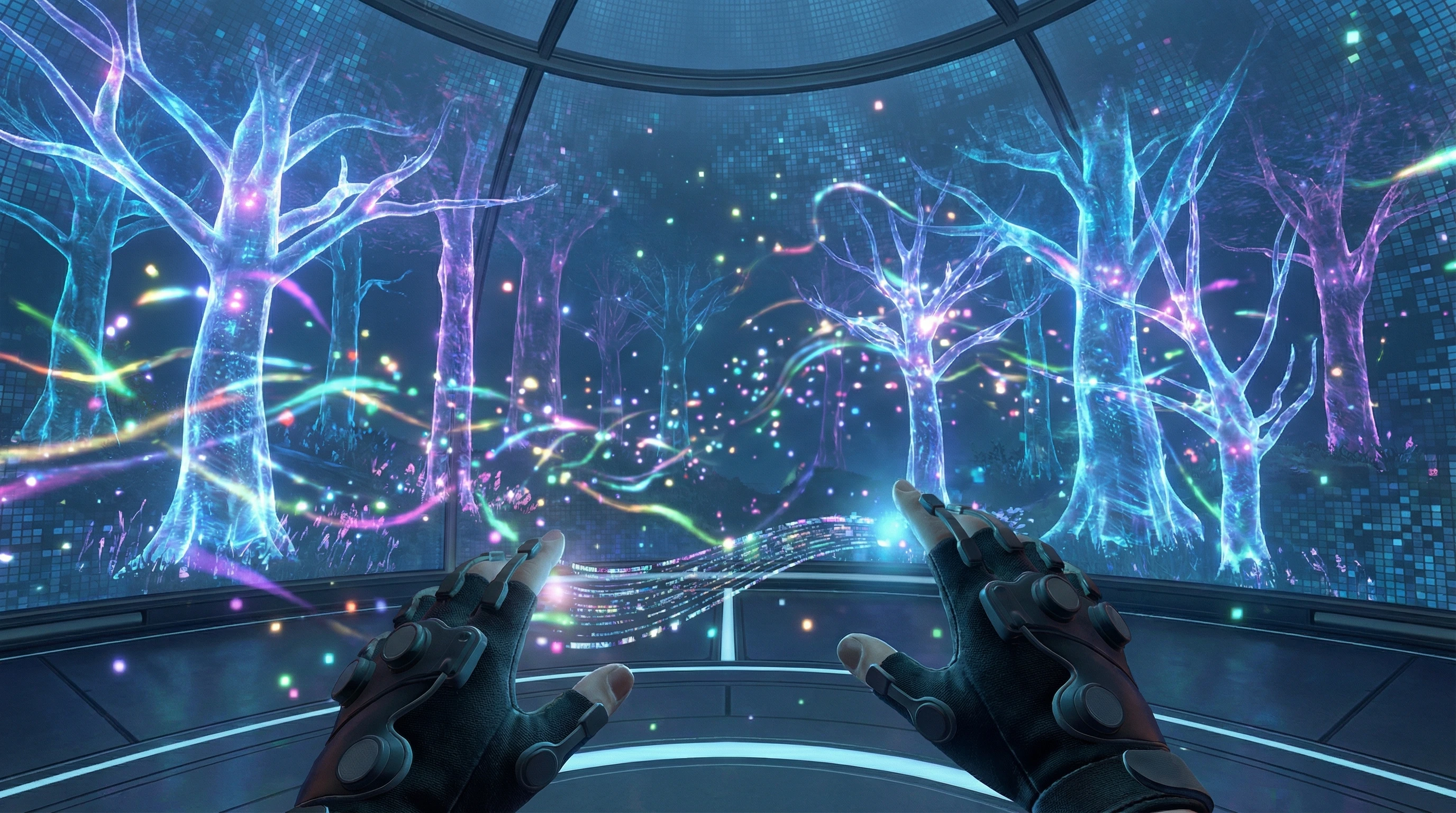
VR Gaming and Storytelling: A Quick Overview
VR, or Virtual Reality, isn’t just about next-level cool visuals. It actually puts you in the center of a story. Through a headset and motion controllers, you look around, move, and interact in ways flat-screen games just can’t match. Unlike traditional games, you aren’t only pressing buttons to make your character act; a lot of the time, you are the character. This brings a new depth of immersion and emotional connection to storytelling.
Studios like Valve, Meta, and indie developers are constantly making VR stories smoother and more impactful. Storydriven VR games now cover everything from actionpacked adventures to chill exploration games where the narrative unfolds as you explore and poke around the world at your own pace.
What Makes VR So Immersive for Storytelling?
The biggest perk with VR gaming and stories is immersion. When I strap on a VR headset and step into a world like Half-Life Alyx or Moss, the sense of “being there” turns the experience up a notch. Here’s why that matters for storytelling:
- Firstperson Perspective: You see everything with your own eyes, not from behind a character on a screen. This personalizes every interaction and decision.
- Physical Interaction: Picking up objects, opening doors, or miming actions such as pulling levers makes every story moment feel real.
- 360degree Worlds: The story totally surrounds you. Look up, down, or behind—you’re part of the setting, not just a bystander.
This all adds to the emotional punch of VR narratives. When a character turns to speak to you in a VR mystery game, it’s tough not to reply as if you’re really there. Decisions feel personal, and events can be startlingly close to real life, making every twist more memorable.
Big Pros of VR Gaming for Immersive Storytelling
There’s a good list of upsides for anyone who loves getting lost in a game’s world and story. Here are things I’ve noticed that really take VR gaming up a notch when it comes to storytelling:
- Deeper Emotional Connections: Being inside the action makes it easier to connect with characters, moments, and choices.
- Agency and Choice: The more freedom to move and interact, the more it feels like you’re shaping your own story. Many VR games shine here.
- Creative Storytelling Methods: VR games often skip boring cutscenes, instead giving you environmental clues, sound cues, and interactive objects to piece things together.
- More Memorable Experiences: Doing things like physically leaning around a corner or dodging something aimed at you are way more impactful than just using a joystick.
Even basic moves, like eavesdropping on a conversation from behind a digital wall or inspecting 3D objects to unlock new story clues, become standout moments. These would be tough to pull off in regular, flat-screen games.
Shortcomings and Hurdles You Might Notice
As much as I love getting pulled into VR stories, there are some downsides. Some are about the tech, and others just come with telling stories in these new VR ways.
- Motion Sickness and Fatigue: Not all VR headsets fit everyone perfectly. Long play sessions can leave me woozy, which ruins the mood if I’m deep in a story scene.
- High Hardware Costs: Good VR gear can cost a lot. For the best VR story experiences, you might need a strong headset and sometimes a highend gaming PC. Budget-friendly options often drop the story quality.
- Room Space and Safety: Moving around in VR means having a clear, open space. Story moments that have you scrambling to hide or grab objects can get sketchy if you’re in a tight spot.
- Physical Accessibility: Some games assume you can stand, walk, or crouch, which leaves out players with mobility limitations. This seriously limits how many people get to enjoy these stories.
- Storytelling Challenges: Game writers can’t just hand you a wall of text or drag out scenes where nothing happens. VR players want to do stuff, so writers need to get creative, and sometimes that means stories are less detailed or have weird pacing.
- Limited Nonverbal Storytelling: Traditional games often use faces or gestures for emotion, but spotting these in VR is harder. You might be looking at the wrong place and miss a key moment.
Motion Sickness and Comfort Limits
I’ve definitely had to deal with motion sickness, especially in games that involve a lot of moving around or those without teleport navigation. There are comfort settings—snap turns, teleport movement—but nothing works for everyone. Short sessions help, but longer stories get tougher to stick with.
Hardware and Space Requirements
VR needs a real investment. Headsets like Meta Quest, PlayStation VR, or Valve Index have steep prices, and you need plenty of open area so you’re not bumping into things or tripping during a heated moment. For people only wanting to play a story game every now and then, these are not small obstacles.
Writing and Direction Challenges
VR storytelling works differently. Players have the freedom to wander off during major dialogue or even miss important story cues. Developers need to keep story points noticeable without forcing players into boring “sit and listen” scenes that feel out of place in VR. Some games do this well, but others end up with weaker stories as a result.
Types of VR Story Experiences You’ll Find
I’ve tried different VR storytelling styles, and each comes with its own flavor. Here are a few that really stand out:
- Narrative Adventures: Storyheavy games, like Lone Echo or The Walking Dead Saints & Sinners, throw you into a plot with exploration and scripted moments.
- Interactive Movies: You don’t make every choice, but you shapes things a bit by turning your head or focusing on objects, which can mix up how scenes unfold. Vader Immortal is a good example with both cutscenes and action.
- Puzzle Adventures: Games like Moss or I Expect You To Die mix puzzles and plot, letting you unlock new bits of story as a reward for figuring things out.
Practical Tips for Better VR Storytelling Experiences
Getting the most out of VR story games is easier with a few tips. Here’s what works for me and what’s worth trying if you’re just jumping in:
- Take Breaks: To avoid fatigue and motion sickness, play in short sessions. VR stories work much better this way than if you try to marathon through.
- Experiment with Comfort Settings: Most titles let you adjust how you move—try snap turn, smooth turn, or teleporting to see what feels best.
- Check Reviews for Story Quality: Some VR titles focus on action and barely give you any plot. Reviews and Reddit’s r/virtualreality are good places to track down games that actually have immersive narratives.
- Clear Your Play Area: I move tables and chairs before playing. Nothing kills immersion faster than running into something right at a key moment!
- Use Headphones: Great sound can totally make a story. Headphones block outside noise and help you catch details and story clues you might miss otherwise.
Common Questions About VR Gaming and Storytelling
People new to VR story games often ask a few key questions. Here’s what I usually tell them:
Question: Can VR stories compare to movies or books?
Answer: They’re different in cool ways. VR puts you inside the story and makes you feel like you’re part of the action. Books and movies do a better job with deep character development, but VR stories are getting richer all the time as writing and tech improve.
Question: What’s the best starter game for narrative VR?
Answer: Moss, Vader Immortal, and Red Matter are great picks. They ease you into VR controls and treat you to memorable stories at the same time.
Question: Can I enjoy VR story games if I get motion sickness sometimes?
Answer: Absolutely. Look for games with teleport navigation or ones known for comfort. Always take it slow until you know what works for you.
Wrapping Up: Is VR Gaming Worthwhile for Story Lovers?
For anyone who loves a good story and getting lost in a game world, VR gaming is absolutely worth a look. The sense of actually being there turns even simple plots into unforgettable adventures. Sure, there are hassles—like setting up hardware, staying comfortable, and finding wellwritten games—but living out a story in virtual reality is tough to match anywhere else. The technology keeps improving, and I can’t wait to see how VR stories continue to get better and more interactive as time goes on.