
Virtual reality (VR) gaming has sparked plenty of buzz lately, with more people curious about its effects on mental health. The technology behind VR games is pretty wild—it throws you into immersive virtual worlds that feel almost real. With so many folks spending hours in these digital spaces, understanding how VR gaming shapes our minds and moods is worth exploring. I’m going to walk through what we know so far about the impacts of VR gaming on mental well-being, from positive effects to areas where you might want to keep an eye out.
How VR Gaming Changes the Player Experience
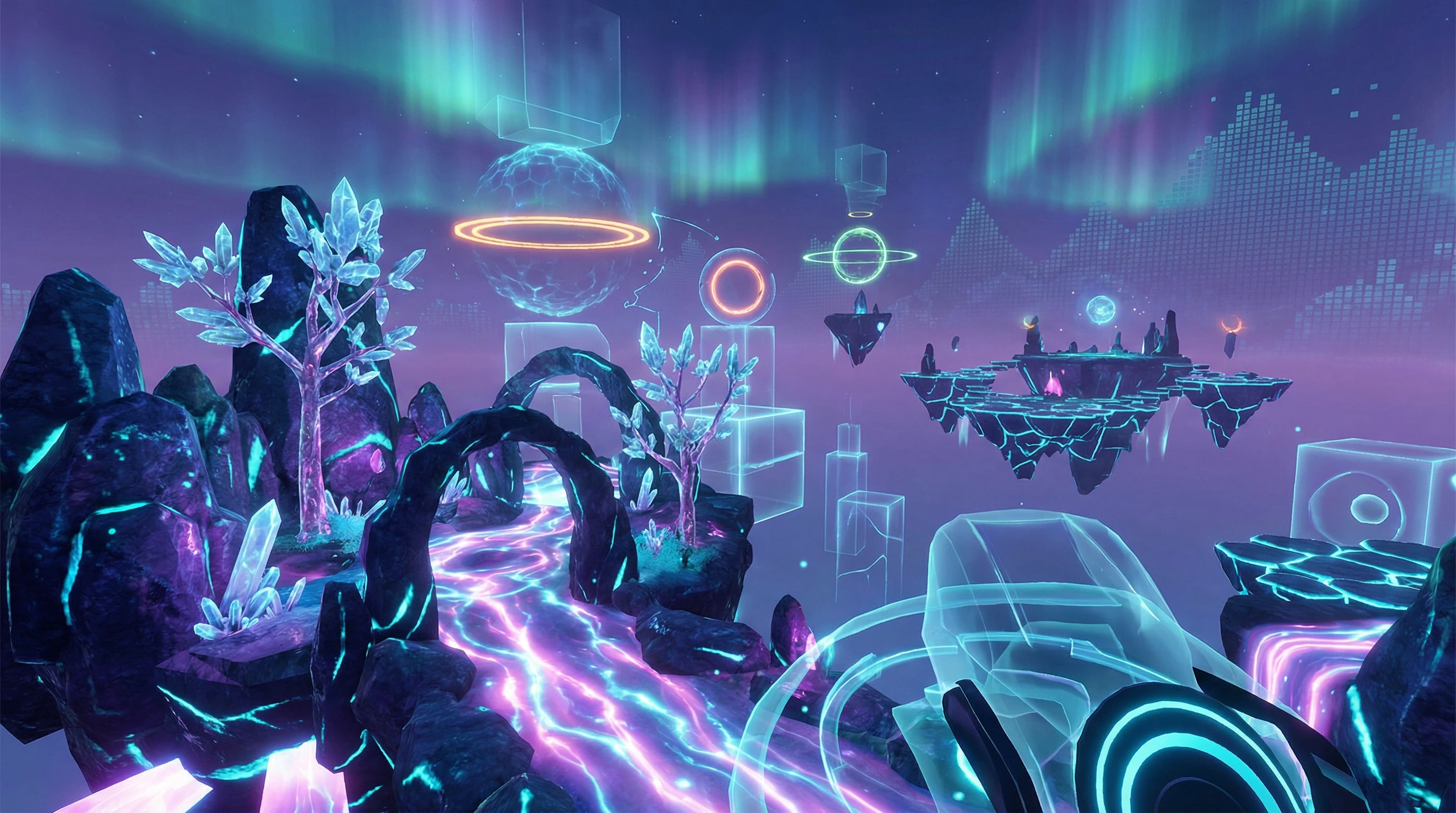
Compared to traditional gaming, VR delivers a sense of presence that can be pretty intense. You’re not just holding a controller and watching a screen; you’re wearing a headset and moving through virtual spaces, surrounded by sights and sounds that react to your movements.
This added realism can crank up your emotional response. Sometimes it makes games more thrilling or challenging; sometimes it means you’re more invested in the story. Researchers have found that this kind of immersion can leave a strong impression, even after you take off the headset.
On top of the unique presence, VR gaming takes sensory engagement to the next level. Players actively explore virtual environments with their bodies rather than relying solely on finger movements. Gestures, head turns, and even walking around the play area can draw you deeper into games and make the experience more memorable. For example, escaping a haunted house in VR doesn’t just mean clicking escape—it means physically peeking around corners and hearing distant footsteps behind you!
The Bright Side: Positive Effects on Mental Health
VR gaming isn’t just fun; it’s got some perks for your brain too. I’ve seen several studies and even personal stories that show VR can actually boost your mood or help you pick up new skills.
- Stress Relief: VR worlds can act like a mini escape. When you’re exploring peaceful environments, solving puzzles, or doing guided meditation exercises in VR, it’s like giving your mind a break. This kind of relaxation is pretty handy for people feeling stressed or anxious.
- Social Connection: VR multiplayer games create new ways to hang out. You’re not limited by geography, so you can chat, cooperate, and play games with others from across the globe. For some people, especially those who feel isolated, this social aspect can really help improve mood.
- Skill Development: Many VR games encourage physical movement, problem solving, or creative play. You might practice coordination in rhythm games, build focus in puzzle adventures, or even exercise with VR sports apps. These activities can support cognitive function and fitness.
Researchers are just scratching the surface here, but early results are promising. A study in the journal Frontiers in Psychology looked at VR games as therapeutic tools and found they can help reduce phobias or even symptoms of depression in some cases. The combination of fun gameplay and real-world benefits makes VR gaming worth checking out for people interested in mental self-care.
It’s not just patients who are benefiting from VR, either. Some therapists have reported that interactive VR sessions can help build rapport with younger clients who might otherwise struggle to open up. When therapy becomes more engaging and “game-like,” some people feel less nervous and are more willing to participate actively.
Potential Downsides: What to Watch Out For
VR gaming isn’t a magic fix, and it does come with a few things to be cautious about. Since VR puts you right into a digital world, the line between game and reality can sometimes blur a little, especially with extended play.
- Disorientation and Motion Sickness: Some players experience dizziness or nausea (known as simulation sickness) after longer VR sessions. Symptoms usually fade after a break, but feeling off after play is something to note.
- Escapism and Avoidance: The deep sense of immersion makes it tempting to spend a lot of time in VR worlds instead of dealing with tough stuff in real life. Like other forms of gaming, overdoing it can mean you’re avoiding real-life responsibilities or social interactions.
- Increased Anxiety or Fear: Horror games or stressful scenarios in VR feel much more intense due to the “being there” sensation. If you’re prone to anxiety or jump scares, the emotional punch can sometimes linger even after you leave the game.
Researchers from Stanford and the University of Oxford have noted that while most players adjust to VR quickly, some people need more time to get used to it, especially if they’re sensitive to visual or sensory overload. Building in breaks and using VR in moderation is super important for protecting your mental balance. Another thing worth mentioning is that certain VR experiences may bring up old traumas or uncomfortable emotions. If this happens, it’s a good idea to pause and talk with someone you trust.
Tips for Healthy VR Gaming Habits
Whether you’re new to VR or play often, keeping your head clear and your mood up is easier with a few practical habits.
- Take Regular Breaks: Set a timer or let the game remind you to pause every 30 to 60 minutes. Even just taking off the headset for a few minutes can help prevent disorientation and give your brain a reset.
- Watch for Overuse: If you notice you’re skipping plans or struggling to stop playing, it might be time to review your gaming habits. Mixing up VR with outdoor time, conversation, or other hobbies is a good move.
- Choose Game Content Carefully: Opt for games suited to your comfort level and mental health needs. Calmer or more playful experiences can help with relaxation, while high-stress games might not be the best if you’re already feeling anxious.
- Talk About Your Experience: Chatting with friends or family about how VR gaming makes you feel can offer new perspectives and support if you run into any problems or emotional aftereffects.
If you start to feel tired, tense, or disconnected from reality, take a break and do a simple activity in the real world, like stretching or making a snack. It can help your mind reset and get used to the real world again. Also, keeping the play space well lit and ventilated helps avoid discomfort during longer sessions.
How VR Gaming is Being Used in Therapy and Wellness
One of the coolest things about VR tech is how therapists and healthcare providers have started using it for mental health support. VR therapy apps can guide people through relaxation techniques, exposure therapy, or even group support spaces.
For example, therapists sometimes use VR to help people face phobias (like fear of heights or crowds) in a safe and controlled setting. By gradually increasing exposure inside a gamelike simulation, players can build confidence and coping skills. In other areas, guided VR meditation and mindfulness apps can make breathing exercises and stress relief more engaging.
The VR Healthcare Institute and organizations like the Anxiety and Depression Association of America see real promise in this space, though it’s always a good idea to work with a qualified mental health professional when exploring therapy tools.
VR’s applications in physical and occupational therapy are growing quickly as well. Rehabilitation exercises are being turned into immersive games to help people recover movement after injury or surgery. The engaging environment helps users stay motivated and makes repetitive exercise less boring. Scientists are keeping an eye on how this could help with chronic pain, PTSD, and even autism spectrum needs, making VR a valuable part of mental and physical health support programs.
Common Challenges and Solutions
VR gaming comes with a few challenges, but they’re manageable with the right approach. Here are some things I’ve noticed and tips that might help you get more out of your play sessions:
- Cost and Accessibility: Not everyone can grab a headset or find space for VR play at home. Some community centers, libraries, or even gyms are starting to offer VR setups; worth looking into if you want to try before investing.
- Physical Safety: While it sounds obvious, it’s easy to bump into stuff or get tangled in cords during active VR games. Clearing a safe play zone before each session makes accidents a lot less likely.
- Technological Barriers: VR systems sometimes need updates or adjustments. Being patient with the occasional technical hiccup helps keep frustrations low.
- Real-Life Integration: Use VR games as a fun tool in your routine, rather than a replacement for daily activities or faceto face connection. Mixing up your activities keeps things fresh and balanced.
Cost and Accessibility
Although VR gaming gear has come down a little in price, a good headset and controllers are still an investment. Borrowing devices from friends or checking out community tech events can give you a feel for VR before you buy. Some developers also offer lowcost or free titles, which are a handy way to explore VR worlds without spending a ton up front.
Physical Safety
VR games can get surprisingly physical; you’ll often be waving your arms, turning, or dodging objects. Picking a clear spot, removing tripping hazards, and making sure no pets are underfoot are pretty important steps before any session.
Technological Barriers
Not all VR devices are plug and play. You might need to adjust settings, install updates, or fix spotty tracking. Joining VR forums or user groups online (like the Oculus Community or Reddit VR channels) can really help if you run into trouble.
Real-Life Integration
Enjoying VR games as one hobby among many helps keep life well rounded. Swapping a few sessions for real world walks, reading, or hanging with friends keeps mental health in good shape too.
Frequently Asked Questions
Here are some questions I often hear about VR gaming and mental health:
Question: Can VR gaming help with anxiety or depression?
Answer: Some people find VR games—and VRbased mindfulness or therapy tools—pretty useful for managing stress, anxiety, or even low moods. The results aren’t the same for everyone, so if you’re dealing with mental health concerns, talking with a healthcare provider is always smart.
Question: How long is too long to play VR games?
Answer: Most health experts suggest limiting VR sessions to 30 to 60 minutes and keeping an eye on any physical or emotional symptoms. Taking breaks and mixing in other activities is a smart way to avoid overuse.
Question: Does VR gaming cause problems with reality or make people isolate?
Answer: Some people might have a hard time adjusting right after a long VR game (like feeling “floaty” or disoriented), but these effects usually fade quickly. Spending too much time in VR can be isolating if it replaces real world connections, so balance is key.
The Takeaway
VR gaming brings tons of innovation, and some real mental health perks, when used thoughtfully. It can help lift moods, support social connections, and even act as a tool in therapy. Like any tech, the best results come from using it with selfawareness, keeping up with healthy habits, and reaching out for support when needed. The future of VR gaming in mental wellness looks pretty exciting, and there’s still lots to stumble upon as the technology keeps improving. If you’re curious, exploring VR carefully and mindfully is the way to go.